
A snagging survey is a professional inspection of a newly built property to identify defects, incomplete work, and poor workmanship before the builder’s warranty period expires. Most new build buyers are surprised by how many issues a thorough snagging survey uncovers — and more surprised still to discover that finding them promptly, and in writing, is the most effective way to ensure the developer fixes them at no cost to the buyer.
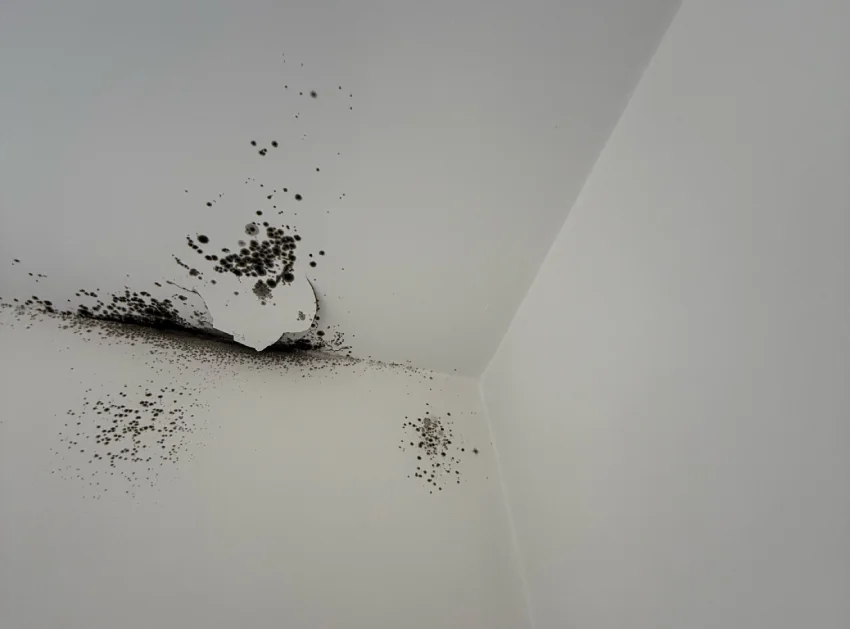
Why a Snagging Survey Matters
New build properties should be finished to a consistent standard before handover. In practice, the speed at which modern housing developments are built — and the number of subcontractors involved — means defects are common. According to the Home Builders Federation’s National New Homes Customer Satisfaction Survey published in March 2025, 93.7% of new build buyers reported problems to their builder after moving in, and over a quarter reported more than 15 individual snags.
A professional snagging survey identifies these defects systematically, documents them with photographs and written descriptions, and produces a report that the developer is expected to act on. Without a formal report, raising issues informally is far less effective. Verbal complaints are harder to track and easier to dismiss. A written report creates a clear record of what was found, when, and by whom, and gives the buyer a strong basis for holding the developer accountable.
What a Snagging Survey Covers
A thorough snagging survey covers every accessible area of the property, working room by room from the exterior through to internal finishes and mechanical systems. The inspection is referenced against NHBC Technical Standards, building regulations, and recognised industry tolerances — not just a general impression of whether things look finished.
The main areas covered in a snagging survey include:
- External fabric — brickwork quality, pointing, render, gutters, fascias and soffits, windows and doors, drainage visible from ground level, driveway, garden and boundary treatments
- Internal finishes — plasterwork, paintwork, tiling, floor finishes, skirting and architrave, staircase, ceiling finishes, and mastic sealing throughout
- Joinery and fittings — door alignment and operation, window operation and sealing, kitchen units and worktops, bathroom and sanitaryware, fitted wardrobes where present
- Mechanical and electrical — heating system operation, boiler commissioning, hot water provision, electrical sockets and switches, lighting, ventilation, smoke and carbon monoxide detectors, door bell, and thermostat operation
- Structural observations — any visible cracking, settlement, or construction concerns that fall within the scope of a visual inspection
The inspection follows the RPSA New Build Inspection and Reporting Standards, which define specific inspection distances and lighting conditions for different elements of the property. These standards exist precisely because “it looks fine” is not a consistent or defensible basis for a professional report — the standards define what constitutes a recordable defect at a professional level.
Post-Completion Snagging Surveys — What EPCIQ Offers
EPCIQ currently offers post-completion inspections carried out after legal completion, once the keys have been handed over. Under UK new build warranty terms, buyers have two years from completion to report defects to the developer for free remediation. An inspection carried out promptly after moving in — ideally within the first few weeks or months — captures issues while the developer still has trades on nearby sites and before any dispute can arise about whether damage was caused by construction or by occupation.
The typical EPCIQ post-completion inspection takes three to four hours on site for a standard three or four bedroom house. The report is delivered within 48 hours and includes photographs of every defect recorded, its location, a description, and where applicable the specific standard it fails to meet. This is the format developers understand and are expected to act on under their warranty obligations.

How Many Snags Does a Typical New Build Have
The honest answer is: more than most buyers expect. For a typical three or four bedroom new build house, between 80 and 150 individual items are typically identified. Some are minor cosmetic issues — a paint run, a scratch on a window frame, a poorly finished mastic joint. Others are more significant — a door that does not close properly, a radiator that is not fixed securely, a socket that is not flush with the wall, or a section of tiling that does not meet the tolerance standards for alignment.
The number of snags found is not a reflection on how good or bad a specific developer is — it reflects the nature of construction. A large number of different trades work on each property over a compressed timescale. Things get damaged, rushed, or overlooked. The purpose of this process is not to find fault but to document the current state of the property so that everything that should be fixed is fixed, at the developer’s cost, before the two-year warranty window closes.
When to Book a Snagging Survey
The best time to commission a snagging survey is as soon as possible after completion and before moving furniture in, if that is practical. An empty property is slightly easier to inspect than a furnished one — floor finishes are fully visible, walls are accessible, and there is no risk of confusing construction damage with damage from moving in. That said, a snagging survey can be carried out on a furnished, occupied property just as effectively.
The critical deadline is two years from legal completion. After that point warranty cover becomes significantly more limited. Identifying and reporting snags within the two-year period with a formal written report is the only reliable way to ensure remediation at no cost to the buyer.
Do Not Wait Until Problems Become Obvious
A common mistake is to wait until specific problems become apparent before commissioning a snagging survey. By that point, some issues that would have been straightforward to address in the first weeks may have worsened, and the opportunity to report them as original construction defects becomes harder to establish. A comprehensive inspection carried out early creates a baseline record that protects the buyer throughout the warranty period.
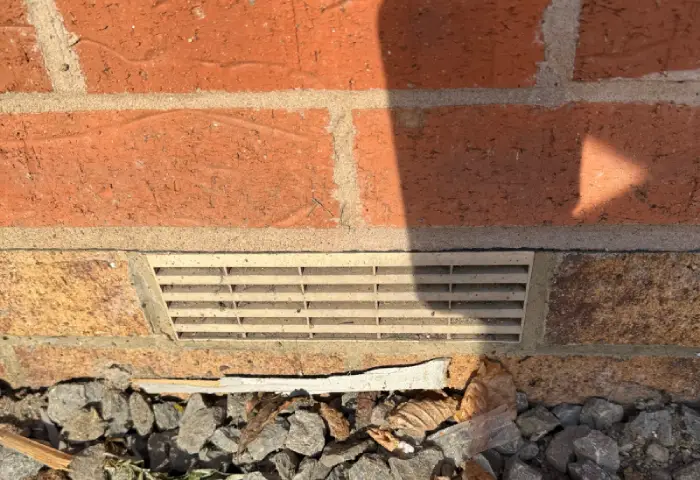
New Build Developments in Teesside — Snagging Survey Coverage
EPCIQ covers new build properties across the whole of Teesside and the wider North East. Active development areas in the region include Ingleby Barwick, Wynyard, the South Tees Development Corporation area, Middleton St George, Nunthorpe, Great Ayton, and numerous sites across Stockton, Darlington, Hartlepool, and the surrounding areas. If you are buying a new build anywhere within approximately 40 miles of Middlesbrough, EPCIQ can carry out your snagging survey.
For further information about snagging, the HomeOwners Alliance guide to snagging is a useful independent resource. For NHBC warranty details and what is covered, the NHBC Buildmark warranty guidance sets out the developer’s obligations in full.
Frequently Asked Questions About Snagging Surveys
How much does a snagging survey cost?
The cost of a snagging survey depends on the size of the property. Prices for a standard new build house typically start at around £350. EPCIQ provides fixed pricing — use the contact form or WhatsApp to get a specific quote for your property and location.
Can I do my own snagging?
You can compile your own list of obvious issues but a professional inspection goes considerably further. A trained inspector knows what to look at, where problems typically hide, and — critically — what tolerances apply under NHBC and building regulations. A professional report carries more weight with developers, and trained inspectors frequently identify issues that buyers would not recognise without specialist knowledge.
Can the developer refuse to allow a snagging survey?
For post-completion inspections after keys are handed over, the developer cannot prevent an inspection — it is your property. For pre-completion inspections under the New Homes Quality Code, developers registered with the scheme are required to allow access from five days after notice of completion is served. Not all developers are registered with the scheme.
What happens after the snagging survey report is delivered?
The report is submitted to the developer — typically in writing to the site manager and the developer’s customer care team. The developer should acknowledge receipt and provide a programme for remediation. EPCIQ provides support and advice on how to approach the developer following the report, and return visits to check remediation work are available on request. For general guidance on the process, the EPCIQ FAQ page covers the most common questions.
Ready to Book Your Snagging Survey?
EPCIQ covers new build developments across Teesside, Yorkshire and the North East. Get in touch today to discuss your property and we will confirm availability and pricing within 24 hours.